
- Home/
- Buy Furosemide in Online Pharmacy for United Kingdom Customers
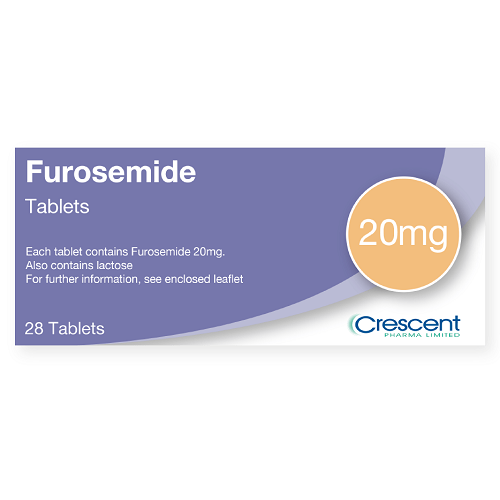
Can you get Furosemide without a prescription in the United Kingdom?
No, Furosemide is a prescription-only medicine (POM) in the United Kingdom. It is regulated by the Medicines and Healthcare products Regulatory Agency (MHRA). Obtaining Furosemide without a valid UK prescription is illegal and may pose serious health risks. You must consult a registered healthcare professional, who will determine if this treatment is appropriate for your condition.
Key facts about Furosemide in the United Kingdom
| Parameter | Details (2026, UK) |
|---|---|
| Active Ingredient | Furosemide |
| Main Use | Oedema (fluid retention) due to heart, liver, or kidney disease; hypertension (high blood pressure) |
| Prescription Status | Prescription only (POM) |
| Onset of Action | 30–60 minutes (oral), 5 minutes (IV) |
| Duration of Effect | 6–8 hours (oral), up to 2 hours (IV) |
| NHS Coverage | Available on NHS prescription; charges may apply in England (standard £9.65 per item as of April 2026) |
| Generics | Widely available; branded and non-branded forms |
How does Furosemide work? (Expert Commentary)
In clinical terms: Furosemide is a potent “loop diuretic”, working primarily on the thick ascending limb of the loop of Henle in the nephron (the kidney’s functional unit). It inhibits the sodium-potassium-chloride (Na-K-2Cl) cotransporter, resulting in increased excretion of sodium, chloride, potassium, and water in the urine.
This process quickly reduces excess fluid volumes, which is why Furosemide is so effective in treating oedema associated with heart failure, renal disease, and liver cirrhosis. The body’s salt and water balance is tightly regulated, but when organs fail, fluid can build up in the legs, lungs, or abdomen. Furosemide helps remove this excess fluid, relieving symptoms such as swelling and breathlessness.
In plain English: Think of your kidneys as a sophisticated filter with a “tap” that controls how much water you hold on to. Furosemide turns that tap on, flushing out salt and water more rapidly than usual.
Myth vs Reality: Myth: “Furosemide removes only water.” Reality: It also leads to the loss of vital electrolytes (like potassium and sodium), which is why monitoring is critical.
Does it need special conditions? Furosemide starts working independently of external triggers, but its effectiveness depends on kidney function. In severe kidney failure, its action may be reduced or unpredictable.
Chemically, Furosemide does not engage hormone systems directly, but its rapid salt loss can trigger compensatory mechanisms such as activation of the renin-angiotensin-aldosterone system (RAAS), which may blunt its long-term effect unless other medications are used in combination.
Furosemide: dosage, use, and duration (Table + Commentary)
| Indication | Usual Starting Dose (adults) | Max Daily Dose | Special Notes |
|---|---|---|---|
| Oedema (oral) | 20–40 mg once daily (may be increased in 20 mg steps) | 600 mg (very rare, hospital only) | Doses above 80 mg/day require close monitoring |
| Hypertension | 20–40 mg twice daily | Rarely exceeds 80 mg/day | Not first-line for hypertension in UK guidelines |
| Severe renal impairment | Starting dose may be 250 mg or higher (IV), under specialist care | As per nephrologist; individualised | Hospital use only; risk of toxicity |
| Elderly | Start at lowest possible dose (e.g., 20 mg) | As tolerated | Greater sensitivity to effects and side effects |
How to take: Furosemide is usually taken in the morning, with or without food. Tablets can be swallowed whole; check if your specific formulation can be split—some brands permit this, others do not. Always follow your prescriber’s instructions.
Peak effect: Onset of diuresis (urination) is typically within 30–60 minutes orally, or within 5 minutes intravenously. The effect generally lasts 6–8 hours.
Important: Never exceed the maximum recommended dose. Overdose can lead to severe dehydration, kidney injury, or fatal electrolyte disturbances.
If you miss a dose, take it as soon as you remember (unless it’s near bedtime; taking late may disrupt sleep due to increased urination).
Furosemide with food, alcohol, and daily habits (Question & Answer)
- Can I take Furosemide with food?
- Yes, Furosemide can be taken with or without food. Food may slightly delay absorption but does not significantly reduce its effect.
- Does a fatty meal change how Furosemide works?
- Fatty meals may slow the onset by around 30–60 minutes but do not reduce overall effectiveness.
- Is alcohol safe with Furosemide?
- Alcohol should be avoided when taking Furosemide. Both can lower blood pressure, increasing the risk of dizziness, fainting, and falls. Alcohol can also worsen dehydration.
- What about grapefruit juice?
- Unlike some medications, there is no well-documented interaction between Furosemide and grapefruit juice. However, always check with your doctor or pharmacist regarding dietary restrictions.
- Will it affect my daily routine?
- Yes. Furosemide increases urination—most people prefer to take it early in the day to avoid nocturia (night-time urination). Plan your activities accordingly, especially if you are away from home.
Bottom line: Furosemide fits into most diets, but avoid alcohol and be aware of increased trips to the toilet. Always hydrate sensibly, but do not “catch up” on fluids unless advised by your doctor.
Who should not take Furosemide? Contraindications in detail (Mixed: prose + checklist table)
Furosemide is not suitable for everyone. Its use is absolutely contraindicated in certain circumstances and should be used with extreme caution in others.
| Condition or Interaction | Absolute or Relative? | Rationale |
|---|---|---|
| Severe hypokalaemia (very low potassium) | Absolute | Can cause fatal heart rhythm disturbances |
| Anuria (no urine output) | Absolute | Indicates severe kidney failure—drug is ineffective & harmful |
| Severe hyponatraemia (very low sodium) | Absolute | May worsen sodium loss, causing confusion, seizures |
| Hypersensitivity to Furosemide or sulphonamides | Absolute | Risk of severe allergic reaction |
| Liver coma (hepatic encephalopathy) | Absolute | May precipitate worsening brain injury |
| Pregnancy and breastfeeding | Relative | Use only if benefits outweigh risks (specialist decision) |
| Severe hypotension (very low blood pressure) | Relative | May cause collapse, fainting |
| Severe gout | Relative | Can worsen uric acid retention |
| Taking aminoglycoside antibiotics (e.g., gentamicin) | Relative | Increases risk of irreversible hearing loss |
Important: Always inform your prescriber about all medications and supplements you take. Furosemide interacts with many medicines, including lithium, digoxin, non-steroidal anti-inflammatory drugs (NSAIDs), and some antibiotics.
What side effects are most common with Furosemide?
Like all medicines, Furosemide can cause side effects—some are common and manageable, others are rare but serious. Understanding what to expect can help you stay safe.
- Very common (>1 in 10): Increased urination, dehydration, low potassium (hypokalaemia), low sodium (hyponatraemia)
- Common (1 in 100 to 1 in 10): Dizziness, headache, muscle cramps, increased blood sugar, gout attacks, hearing disturbances (high doses/rapid IV)
- Rare (1 in 1,000 to 1 in 100): Skin rash, impaired kidney function, ringing in the ears (tinnitus), sensitivity to sunlight
- Very rare (<1 in 10,000): Severe allergic reactions (anaphylaxis), pancreatitis, blood disorders, severe liver dysfunction
Mechanism explanations: Most side effects relate to the loss of electrolytes and water—muscle cramps and arrhythmias (irregular heartbeats) are typical of potassium depletion. Dizziness or fainting is often due to reduced blood pressure or dehydration.
What to do: If you experience confusion, severe weakness, palpitations, or fainting, seek urgent medical advice. Always report unusual symptoms—especially if you have a history of heart, kidney, or liver problems. For milder symptoms, discuss with your GP at your earliest opportunity.
Myth vs Reality: Myth: “If I feel fine, monitoring isn’t needed.” Reality: Electrolyte changes can be silent—regular blood tests are essential during Furosemide therapy.
Furosemide versus other diuretics: a comparison (Comparison Table)
| Feature | Furosemide | Bumetanide | Bendroflumethiazide |
|---|---|---|---|
| Class | Loop diuretic | Loop diuretic | Thiazide diuretic |
| Onset (oral) | 30–60 min | 30–60 min | 1–2 hours |
| Duration | 6–8 hours | 4–6 hours | 12–18 hours |
| Main use (UK) | Oedema, heart failure, resistant hypertension | Oedema (when Furosemide not tolerated) | Hypertension, mild oedema |
| Cost (NHS, per month 2026) | £1–£4 | £2–£6 | £1–£3 |
| Risk of low potassium | High | High | Moderate |
In short: Furosemide remains the loop diuretic of choice for rapid, high-volume fluid removal. Bumetanide is similar but used when Furosemide is not tolerated. Thiazides like bendroflumethiazide are preferred for mild fluid retention and as first-line therapy for high blood pressure, but are less effective in advanced heart failure.
Furosemide: key characteristics at a glance (Structured Data Table)
| Parameter | Value |
|---|---|
| Bioavailability (oral) | ~60% (varies with gut function, food) |
| Protein binding | >95% |
| Metabolism | Minimal hepatic; main route is renal excretion (unchanged drug) |
| Elimination half-life | 1–2 hours (longer in kidney failure) |
| Available forms (UK) | Tablets (20 mg, 40 mg, 500 mg), oral liquid, injection |
How to obtain Furosemide legally in the United Kingdom: step-by-step guide
-
Consultation with a healthcare professional.
- Book an appointment with your GP or a specialist (in person or via NHS/approved telemedicine service).
- If you have symptoms of fluid overload (swelling, breathlessness), your doctor will assess your need for Furosemide.
-
Diagnosis and treatment plan.
- Blood tests, urine tests, and possibly imaging may be required to confirm the cause of your oedema.
- If Furosemide is appropriate, your doctor will discuss benefits, risks, and alternatives.
-
Issuing the prescription.
- If indicated, your doctor provides a prescription (paper or electronic).
- NHS prescriptions: covered under standard prescription charges; free in Scotland, Wales, Northern Ireland as of 2026.
-
Pharmacy dispensing.
- Present your prescription at any UK-registered pharmacy (including some approved online pharmacies).
- Check for the NHS logo and MHRA licence on online pharmacy sites. Look for the official green cross or EU/UK supply logos.
-
Follow-up and monitoring.
- Regular check-ups are essential to adjust dosing, monitor blood tests, and catch side effects early.
Never attempt to obtain Furosemide from unregistered or overseas websites: risk of counterfeit, prosecution, and harm is high.
How to spot fake or substandard Furosemide in the United Kingdom (Quality Check Block)
- Packaging: Genuine Furosemide is supplied in sealed blister packs or glass bottles, with clear batch numbers, expiry dates, and MHRA licence number.
- Tablet appearance: UK Furosemide tablets are usually white, round, and may be scored. “Furosemide 40” or manufacturer’s logo may be engraved. Any deviation (odd shape, no or misspelled logo, faded print) is a red flag.
- Holograms/QR codes: Some brands include a holographic sticker or QR code for verification—scan or check the manufacturer’s website.
- Price warning: Prices significantly below NHS or reputable pharmacy rates are suspicious—counterfeit products often undercut the real market.
- Check with pharmacist: If in doubt, bring the medication to your local pharmacy for verification. Report any suspected counterfeits to the MHRA via the Yellow Card Scheme.
What are generics? Generics have the same active ingredient and are strictly regulated for quality in the UK. They may have different colours or shapes depending on the manufacturer, but efficacy and safety should be equivalent to the branded product.
What to do in case of Furosemide overdose?
- Stop taking Furosemide immediately.
- Call 999 or seek urgent medical help. Do not try to self-treat at home.
- Give clear information about:
- The amount and time of Furosemide taken
- Other medicines or substances used
- Any symptoms: confusion, dizziness, palpitations, fainting, rapid weight loss
- Do not attempt to induce vomiting or drink excessive fluids unless instructed by medical staff.
- In hospital, treatment may include fluids, electrolyte correction, and heart monitoring.
Remember: Furosemide overdose can be fatal due to severe dehydration and heart rhythm disturbance. Prompt action saves lives.
Furosemide in special patient groups (Expert commentary)
Elderly: More sensitive to dehydration and electrolyte imbalance. Start with the lowest effective dose. Monitor falls risk.
Pregnancy and breastfeeding: Furosemide crosses the placenta and passes into breast milk. Use only if absolutely necessary and prescribed by a consultant; may suppress lactation.
Renal and liver disease: Doses are higher in renal impairment, but effect is less predictable. In liver disease, risk of encephalopathy and potassium loss is increased.
Children: Specialist dosing is required. Special paediatric formulations are available.
Driving and machinery: Dizziness, blurred vision, or weakness may occur. Avoid driving or operating machinery if affected.
Fertility: No clear evidence Furosemide impairs fertility, but severe electrolyte disturbance may affect reproductive health. Discuss with your doctor if planning a family.
Original Furosemide versus generics: what should you know? (Comparison)
In the UK, both branded and generic Furosemide are available. They are held to identical standards by the MHRA.
- Active ingredient: Always the same.
- Excipients (inactive ingredients): Can differ. If you have known allergies or intolerances, check the leaflet or consult your pharmacist.
- Cost: Generics are usually cheaper and preferred by the NHS.
- Appearance: Size, shape, and markings may vary. Efficacy should not.
- Tip: If your tablets look different at your next refill, ask your pharmacist to confirm they are correct. This is common with generics.
Summary: Unless you have a specific intolerance, generics offer the same therapeutic benefit at lower cost.
Coping with oedema: empathy, support, and advice
Oedema is common—especially in heart, kidney, and liver conditions. It is not a sign of weakness, and with the right treatment plan, most people see substantial improvements. Many patients feel embarrassed about swelling or needing a “water tablet”. You are not alone, and help is available.
Discuss any concerns with your doctor, nurse, or pharmacist. It can also help to talk openly with family or carers about how you feel. Support groups exist for chronic kidney disease, heart failure, and liver disorders across the United Kingdom—ask your GP about local resources in your area (London, Manchester, Glasgow, Cardiff, Belfast, and beyond).
Frequently asked questions (FAQ): Furosemide in the United Kingdom
- Can Furosemide be used daily?
- Yes, if prescribed for a chronic condition; dosing and frequency are set individually. Never start or stop Furosemide on your own.
- Do I need regular blood tests while on Furosemide?
- Yes. Regular monitoring of electrolytes, kidney function, and blood pressure is recommended during therapy.
- Can I get Furosemide on the NHS?
- Yes, Furosemide is covered by the NHS with a valid prescription. In England, standard prescription charges apply; in Scotland, Wales, and Northern Ireland, it is usually free.
- Is it legal to buy Furosemide from overseas websites?
- No. Purchasing prescription medicines from overseas or unlicensed websites is illegal, unsafe, and may result in customs seizure or prosecution in the UK.
- What should I do if Furosemide is not working?
- Contact your doctor promptly. Do not increase the dose alone. Your condition or medication plan may need review.
- Can Furosemide cause weight loss?
- It can cause rapid water loss, leading to a decrease in body weight—not fat loss. This should only happen under medical supervision.
- Are there natural or non-drug alternatives to Furosemide?
- For mild swelling, lifestyle changes—elevating legs, reducing salt—may help, but are not substitutes for medication in serious conditions.
References
- National Institute for Health and Care Excellence (NICE). “Chronic heart failure in adults: diagnosis and management” (NG106). Accessed June 2026. https://www.nice.org.uk/guidance/ng106
- Electronic Medicines Compendium (eMC). “Furosemide 40mg Tablets – Summary of Product Characteristics.” Accessed June 2026. https://www.medicines.org.uk/emc/product/6753/smpc
- Medicines and Healthcare products Regulatory Agency (MHRA). “How to report a suspected counterfeit medicine.” Accessed June 2026. https://yellowcard.mhra.gov.uk/
- British National Formulary (BNF). “Furosemide.” Accessed via NICE, June 2026. https://bnf.nice.org.uk/drug/furosemide.html
- PubMed. “Furosemide: Recent Updates on Mechanisms and Use in Clinical Practice.” Accessed June 2026. https://pubmed.ncbi.nlm.nih.gov/36386945/
