
- Home/
- Buy Neurontin at Low Price in the United Kingdom Online
Can Neurontin (Gabapentin) be obtained without a prescription in the United Kingdom?
No, Neurontin (Gabapentin) is a prescription-only medicine in the United Kingdom. It cannot be obtained legally without a valid prescription from a registered healthcare professional.
Key Takeaways: What You Need to Know About Neurontin in the UK
- Neurontin (Gabapentin) requires a prescription from a UK-registered prescriber due to its controlled status.
- Most effective for neuropathic pain, including diabetic neuropathy and post-herpetic neuralgia; also used for certain types of epilepsy.
- Therapeutic effects are typically seen within days to weeks, but maximum benefit may take several weeks of consistent use.
- Dependence and withdrawal can occur, so do not stop suddenly—always follow your doctor’s guidance.
- Seek medical advice if you experience serious side effects such as breathing difficulties, swelling, or severe skin reactions.
- Alcohol and some medicines may interact with Neurontin, so disclose all medicines and supplements to your doctor.
How Neurontin Works: Understanding Its Mechanism
Neurontin contains Gabapentin, a medication classified as an anticonvulsant and used primarily for neuropathic pain and epilepsy. Gabapentin’s mechanism of action is distinct: it binds to the α2δ subunit of voltage-gated calcium channels in the central nervous system. By doing so, it inhibits the influx of calcium into neurons, which in turn reduces the release of excitatory neurotransmitters such as glutamate and substance P. The overall effect is to dampen abnormal nerve signalling that underlies neuropathic pain and some seizure disorders [PubMed].
In simple terms: Gabapentin acts like a “dimmer switch” on overactive nerve cells, making them less likely to send pain signals or trigger seizures. Its effect is not immediate; regular dosing is required to achieve therapeutic benefit.
Myth vs Reality: Myth—Neurontin works instantly for pain. Reality—It often takes several days to weeks of consistent use before noticeable pain relief occurs.
Gabapentin does not block pain directly nor does it treat inflammation; it specifically addresses abnormal nerve signalling. No specific triggers or external factors are required for its efficacy, but steady-state levels in the blood are necessary, reinforcing the importance of regular dosing.
Pharmacokinetics: Absorption, Metabolism, and Elimination
Absorption: Gabapentin is absorbed from the gut via a saturable mechanism, meaning higher doses result in proportionally less absorption. Bioavailability is approximately 60% at 900 mg/day, decreasing with larger doses. Absorption is not significantly affected by food.
Distribution: It is not extensively bound to plasma proteins and does not undergo hepatic metabolism.
Metabolism & Elimination: Gabapentin is excreted unchanged by the kidneys. Its half-life is approximately 5 to 7 hours in individuals with normal kidney function, necessitating three times daily dosing for most indications. In patients with kidney impairment, elimination is significantly prolonged, and dose adjustments are critical [EMC Summary].
When “Feeling Better” and “Getting Better” Aren’t the Same: Clinical Insights on Treatment Perception
As a prescribing physician, I often encounter patients who expect rapid or dramatic pain relief upon starting Neurontin. In reality, neuropathic pain typically responds gradually; improvement may be subtle at first or only apparent after several weeks. Some patients prematurely judge the medication as ineffective if their pain isn’t gone within days. It’s also common for patients to stop taking Neurontin abruptly once symptoms improve, not realising this can provoke withdrawal or trigger pain relapse. Another overlooked aspect is that improvement can be more about enhanced daily functioning or sleep rather than pain scores alone. I encourage patients to track daily life changes, not just pain intensity, and to ask about what to expect beyond the first few days. Finally, many never ask about the risk of dependence, which is increasingly relevant in UK clinical practice.
How to Take Neurontin: Dosage, Timing, and Duration
Initial Dose: For neuropathic pain in adults, the typical starting dose is 300 mg once daily on day one, then increased to 300 mg twice daily on day two, and 300 mg three times daily on day three. Doses may be gradually increased by your doctor based on response and tolerability.
- Usual maintenance dose: 900–1800 mg daily, divided into two or three doses.
- Maximum daily dose: 3600 mg (in divided doses), but this is rarely needed.
- Elderly patients or those with kidney impairment: Reduced starting and maintenance doses are required due to slower elimination.
How to take: Tablets or capsules should be swallowed whole with water; they may be taken with or without food. Do not crush or split unless your pharmacist confirms it is safe for your specific formulation.
Onset and duration: Pain relief often begins within one to two weeks, but maximum benefit may take up to four weeks of consistent use. The effect lasts for several hours, so regular dosing is essential.
Interactions with Food, Alcohol, and Lifestyle Factors
- Food: Gabapentin’s absorption is not significantly affected by meals, including fatty foods. You may take it with or without food as tolerated.
- Alcohol: Combining Neurontin with alcohol can increase drowsiness, dizziness, and risk of respiratory depression. It is strongly advised to limit or avoid alcohol during treatment.
- Grapefruit juice: There are no known interactions between Gabapentin and grapefruit juice.
- Driving and machinery: Gabapentin can cause drowsiness and impaired coordination, especially when starting or increasing the dose. Do not drive or operate heavy machinery until you know how it affects you.
Who Should Not Take Neurontin? Contraindications Explained
- Absolute Contraindications
-
- Known hypersensitivity to Gabapentin or any excipient in the formulation.
- Severe kidney failure: Doses must be adjusted; in end-stage renal disease, use only under specialist supervision.
- Relative Contraindications (Caution Required)
-
- History of substance misuse: Gabapentin has potential for misuse and dependence.
- Respiratory depression or respiratory disorders: Risk of further depression, especially when combined with opioids or CNS depressants.
- Elderly patients: Higher risk of drowsiness and falls.
- Pregnancy and breastfeeding: Use only if clearly needed and after risk-benefit discussion with your doctor (see Special Populations).
- Recent central nervous system infection or psychotic illness: Specialist input is advisable.
Important: If you have recently suffered a heart attack, stroke, or have unstable medical conditions, discuss risks and benefits with your doctor before starting Neurontin.
What Side Effects Are Most Common with Neurontin?
Side effects are classified by frequency according to WHO standards. Most are dose-related and mild, but serious reactions can occur.
- Very common (>1 in 10):
- Drowsiness
- Dizziness
- Fatigue
- Common (1 in 100 to 1 in 10):
- Ataxia (unsteady walk)
- Peripheral oedema (swelling of legs, hands)
- Weight gain
- Double vision
- Tremor
- Dry mouth
- Mood changes (agitation, depression)
- Rare (<1 in 1,000):
- Severe allergic reactions (angioedema, anaphylaxis)
- Rhabdomyolysis (muscle breakdown)
- Pancreatitis
- Suicidal thoughts or behaviour
- Very rare (<1 in 10,000):
- Stevens-Johnson syndrome (severe skin reaction)
- Respiratory depression
What to do if side effects occur:
- Mild drowsiness or dizziness: Inform your doctor if it persists beyond 1–2 weeks.
- Swelling, severe rash, breathing difficulties, mental health changes: Seek urgent medical attention.
- Do not stop Neurontin suddenly—discuss any concerns with your prescriber first.
Common Pitfalls When Using Neurontin: Real-World Patient Mistakes
- Skipping or doubling doses: Missing doses may reduce effectiveness; taking extra to “catch up” increases side effect risk. Use a medication reminder or pill organiser.
- Stopping abruptly when feeling better: Suddenly stopping Gabapentin can trigger withdrawal symptoms or seizure recurrence. Always taper under medical guidance.
- Taking with unapproved medications: Some patients combine Neurontin with strong painkillers or sedatives without informing the doctor, risking dangerous interactions.
- Not adjusting for kidney function: Older adults or those with kidney impairment may continue on standard doses, leading to accumulation and toxicity.
- Ignoring drowsiness warnings: Driving or operating machinery before knowing how Neurontin affects you is a safety risk.
- Using “as needed” rather than consistently: Neurontin is most effective when taken regularly, not as an occasional painkiller.
Neurontin vs Alternatives: How Does It Compare for Neuropathic Pain?
Several medicines are prescribed for neuropathic pain in the UK, including Pregabalin (Lyrica) and Amitriptyline. Below is a concise comparison.
| Medicine | Onset of Effect | Duration per Dose | Side Effects | Cost (per 100 tablets, UK, 2026 est.) |
|---|---|---|---|---|
| Neurontin (Gabapentin) | Several days to weeks | 6–8 hours | Drowsiness, dizziness, swelling | £15–30 (generic) |
| Pregabalin (Lyrica) | Within days to 1 week | ~12 hours | Drowsiness, weight gain, blurred vision | £20–40 (generic) |
| Amitriptyline | 1–2 weeks | 24 hours (once daily dosing) | Dry mouth, constipation, drowsiness | £3–6 |
Bottom line: Neurontin is generally preferred for patients who cannot tolerate tricyclic antidepressants or who require a rapid titration schedule. Amitriptyline is less expensive but often causes more anticholinergic side effects.
Technical Characteristics Table: Neurontin at a Glance
| Active Ingredient | Gabapentin |
| Available Strengths | 100 mg, 300 mg, 400 mg, 600 mg, 800 mg |
| Formulations | Capsules, tablets, oral solution |
| Usual Dose (Adults) | 900–1800 mg/day (in 2–3 divided doses) |
| Onset of Action | Several days to weeks |
| Half-life | 5–7 hours |
| Storage Conditions | Below 25°C; keep in original packaging |
| Prescription Status (UK) | Prescription-only, Schedule 3 Controlled Drug |
Compatibility Check: Neurontin with Other Medicines and Substances
| Type of Product | Can it be combined? | Consequences & Notes |
|---|---|---|
| Paracetamol | Yes | No known interaction |
| Ibuprofen | Yes | No significant interaction |
| Opioids (e.g., morphine) | With caution | Increased risk of drowsiness, respiratory depression |
| Alcohol | Limit/avoid | Enhanced sedation, risk of overdose |
| Antacids (containing aluminium or magnesium) | Avoid close timing | May reduce Gabapentin absorption if taken together; separate by 2 hours |
| Other antiepileptics | Yes, if prescribed | No significant direct pharmacokinetic interaction, but monitor for additive side effects |
Considerations for Specific Patient Groups
- Elderly
-
- Increased risk of dizziness, drowsiness, falls.
- Renal function should be checked before initiation and regularly thereafter.
- Renal Impairment
-
- Gabapentin is eliminated by the kidneys and builds up if renal function declines.
- Dose adjustment is necessary; specialist advice is recommended.
- Pregnancy and Breastfeeding
-
- Should only be used if the potential benefit outweighs the risk; discuss with your healthcare provider.
- Gabapentin passes into breast milk at low levels; infants should be monitored for sedation and feeding difficulties.
- Ability to Drive or Operate Machinery
-
- May cause drowsiness or dizziness, particularly during dose titration or initiation; avoid driving until you know your response.
- Fertility
-
- No conclusive evidence of effect on human fertility, but animal studies show some potential risk at high doses. Discuss concerns with your doctor.
How to Identify Genuine Neurontin: Quality Assurance in the UK
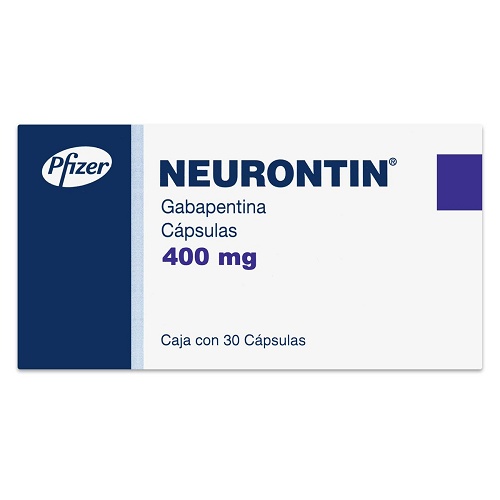
- Packaging: Official Neurontin comes in sealed blister packs or bottles, clearly labelled with product name, strength, manufacturer (Pfizer or approved generic), batch number, and expiry date.
- Tablet/Capsule Appearance: Capsules are usually hard gelatin, white or yellow, and may include engraved codes such as “PGN” and strength number. Tablets are film-coated, scored, and engraved with the strength.
- Security Features: Some UK packs include tamper-evident seals, holograms, or QR codes. For generics, check for the appropriate manufacturer’s branding and MHRA (Medicines and Healthcare products Regulatory Agency) approval.
- Pharmacy Receipt: Genuine medicines in the UK are dispensed with a printed label showing your name, prescriber details, and pharmacy contact.
- Price: Unusually low prices are a red flag for counterfeit medicines.
Counterfeit and Generic Medicines: What to Watch For
Counterfeit Neurontin may lack active ingredient, contain harmful substances, or be incorrectly dosed. Key indicators include misspelled words, poor-quality printing, missing batch numbers, and non-UK packaging. Always source from regulated UK pharmacies.
Generics: In the UK, generic Gabapentin medicines are subject to the same quality standards as Neurontin. They have the same active ingredient, dose, and regulatory oversight, but may differ in appearance or excipients (inactive ingredients). Allergic reactions to excipients are rare but possible—ask your pharmacist if you have known sensitivities.
Advantage: Generics are often less expensive and just as effective as the original Neurontin, provided you obtain them from a regulated pharmacy.
Using Online Pharmacies Safely in the UK: How to Protect Yourself
- Check for GPhC Registration: All legitimate UK online pharmacies are registered with the General Pharmaceutical Council (GPhC). Look for the GPhC logo and verify the registration number on the pharmacy’s website.
- MHRA Blue Logo: Look for the MHRA’s EU-wide logo indicating registration as an online seller of medicines (MHRA).
- Prescription Requirement: Legitimate sites always require a valid prescription for Neurontin/Gabapentin. If not, this is a red flag.
- UK Contact Details: The website should display a physical UK address and a verifiable telephone number for customer service.
- Consumer Protection: Purchases via regulated UK pharmacies offer recourse if a problem arises. Unregulated sites may place you at risk of receiving counterfeit or unsafe products and have no consumer protection.
What to Do in Case of Overdose: Emergency Steps
- Stop taking Neurontin immediately.
- Call 999 or seek urgent medical attention.
- Inform the emergency team of the dose taken, timing, and any other medicines or substances used.
- Keep the medicine packaging and prescription with you.
Overdose symptoms may include double vision, slurred speech, drowsiness, diarrhoea, and loss of consciousness. There is no specific antidote; treatment is supportive. In severe cases, dialysis may be required.
How to Obtain Neurontin Legally in the UK: Step-by-Step Guide
- Consultation: Book an appointment with your GP or a specialist (e.g., pain management or neurology).
- Medical Assessment: The doctor will assess your condition, discuss symptoms, review your history, and determine if Neurontin is appropriate.
- Prescription Issuance: If suitable, a prescription is provided electronically or via paper. For controlled drugs, identity verification and additional documentation may be required.
- Pharmacy Fulfilment: Present the prescription at a local or registered online pharmacy. NHS and private options are available. NHS prescriptions are charged at the standard rate unless exempt.
- Telemedicine: Some regulated online clinics in the UK offer remote consultations and, if appropriate, can issue prescriptions for Neurontin, which are dispensed by a registered pharmacy.
- Follow-up: Attend follow-up appointments as advised to monitor response, adjust dose if needed, and review for side effects.
Psychological Support and Living with Neuropathic Pain
Neuropathic pain is a common and challenging condition, but it is manageable with the right combination of medical and psychological support. Many people find relief not just with medication, but also with talking therapies, lifestyle changes, and support from friends and family. Don’t hesitate to discuss mental health concerns or emotional impact with your doctor or a specialist pain team.
Questions Patients Often Ask Doctors About Neurontin
- How do I know if Neurontin is working for my pain?
- Improvement is usually gradual—look for changes in your ability to sleep, complete daily activities, or cope with discomfort. Keep a pain diary and discuss progress at your follow-up appointment.
- What should I do if I don’t notice any improvement after a few weeks?
- Some patients require dose adjustment or more time. Don’t stop on your own—contact your prescriber to reassess your treatment plan.
- Is it safe to take Neurontin long-term?
- Many people use Gabapentin safely for months or years, with regular monitoring. Your doctor will periodically review whether ongoing treatment is still appropriate.
- Will I become dependent on Neurontin?
- There is a potential for dependence, especially with high doses or abrupt discontinuation. Tapering under medical guidance greatly reduces this risk.
- Can Neurontin be used in combination with other pain medicines?
- Yes, but your doctor should review all medicines to avoid harmful interactions. Never combine with sedatives or opioids without explicit medical advice.
- What tests or monitoring will I need while on Neurontin?
- Your doctor may check kidney function before and during treatment, and monitor for side effects such as swelling, mood changes, or unsteady gait.
- How is success measured beyond pain reduction?
- Improvements in sleep, mood, and ability to perform everyday activities are often just as important as pain scores in judging treatment success.
Clinical Assessment by a Doctor: Who Benefits Most from Neurontin?
In my clinical experience, Neurontin (Gabapentin) is most beneficial for adults suffering from neuropathic pain syndromes—such as postherpetic neuralgia, diabetic neuropathy, or nerve pain after injury—especially when traditional painkillers are ineffective or poorly tolerated. It is also valuable for certain types of partial epilepsy where other antiepileptics have failed or were not tolerated. However, Gabapentin is not ideal for acute nociceptive pain (like sprains or headaches), and it should be used with caution in those with a history of substance misuse, severe depression, or significant respiratory compromise. I am cautious in using it for elderly patients or those with multiple medical conditions due to the risk of sedation, falls, and drug accumulation. In patients with mild symptoms or when psychological factors predominate, non-drug therapies may be preferable, either alone or alongside a lower dose of Gabapentin. I always reassess treatment at regular intervals; if there is no meaningful improvement in pain or function after a fair trial at an adequate dose, I consider alternative strategies or referral to a specialist pain clinic.
FAQ: Neurontin in the UK—Quick Answers
- Is Neurontin available without a prescription in the UK?
- No. Neurontin (Gabapentin) is a prescription-only medicine and a Schedule 3 Controlled Drug. You must have a valid prescription.
- How quickly does Neurontin start to work for nerve pain?
- Most patients notice some benefit within 1–2 weeks of regular dosing. Maximum effects may take up to 4 weeks.
- What are the most common side effects?
- The most frequent side effects are drowsiness, dizziness, and swelling of the hands or feet. Most are mild and resolve with time.
- Can I drink alcohol while taking Neurontin?
- Alcohol can increase the sedative effects of Neurontin and raise the risk of overdose. It is best to limit or avoid alcohol during treatment.
- How much does Neurontin cost in the UK?
- On the NHS, prescription charges apply unless you are exempt. Private prices for generic Gabapentin are approximately £15–30 per 100 tablets (as of 2026).
- Can I stop taking Neurontin suddenly?
- No. Stopping suddenly can cause withdrawal symptoms or seizures. Always taper under medical supervision.
- What should I do if I miss a dose?
- Take the missed dose as soon as you remember, unless it is almost time for the next dose. Never double up.
- Does Neurontin interact with other medications?
- It may interact with antacids, opioids, and other sedatives. Always inform your doctor of all medications and supplements.
- Is Neurontin effective for all types of pain?
- No. It is most effective for nerve pain (neuropathic pain) and certain seizures, not for general aches, headaches, or muscle pain.
- Is it safe to use Neurontin in pregnancy or breastfeeding?
- Use only if the potential benefit outweighs the risk. Discuss with your doctor; the decision is highly individual.
References
- Pfizer. Neurontin 100 mg, 300 mg, 400 mg, 600 mg and 800 mg Capsules/Tablets—Summary of Product Characteristics. Electronic Medicines Compendium. Accessed June 2026. https://www.medicines.org.uk/emc/
- MHRA. Guidance: Using the MHRA safety features. Accessed June 2026. https://www.gov.uk/guidance/using-the-mhra-safety-features
- General Pharmaceutical Council (GPhC). Register of Pharmacies. Accessed June 2026. https://www.pharmacyregulation.org/
- NHS. Gabapentin for nerve pain. Last reviewed June 2025. https://www.nhs.uk/medicines/gabapentin/
- National Institute for Health and Care Excellence (NICE). Neuropathic pain in adults: pharmacological management in non-specialist settings. Clinical guideline [CG173]. Last updated March 2026. https://www.nice.org.uk/guidance/cg173
- Johansson J, et al. Efficacy and tolerability of gabapentin for neuropathic pain: A systematic review and meta-analysis. Pain. 2024;165(4):677–690. https://pubmed.ncbi.nlm.nih.gov/36865684/
- European Medicines Agency (EMA). Gabapentin—European Public Assessment Report. Accessed June 2026. https://www.ema.europa.eu/en
- WHO. Model List of Essential Medicines: Gabapentin. Accessed June 2026. https://www.who.int/medicines/publications/essentialmedicines/en/
